What the Heck Is Wrong With My Chicken? Chicken Molting 101
If you've walked into your chicken coop lately and wondered whether your hens are falling apart, welcome to molting season.
There's a chicken-shaped pile of feathers in the run, someone looks like they lost a fight with a lawn mower, and suddenly you're collecting fewer eggs. Naturally, you're wondering what in the world is going on.
Before you panic, your chickens might just be molting.
It's one of those completely normal parts of keeping chickens that can look a little alarming if you're new to it. And if you're anything like me, you probably have questions the first time your beautiful hens start looking a little rough around the edges.
Let's talk about what molting is, why it happens, and how to help your flock through it.

What Is Molting?
Molting is the natural process of shedding old feathers and growing new ones. Feathers wear out over time, and chickens periodically replace them as part of their normal life cycle.
Many adult hens experience a noticeable molt in the fall as daylight hours decrease, although timing and severity vary. Some chickens lose a lot of feathers in a short period, while others seem to lose a few at a time over several months.
And yes, they can look pretty ridiculous while it's happening.
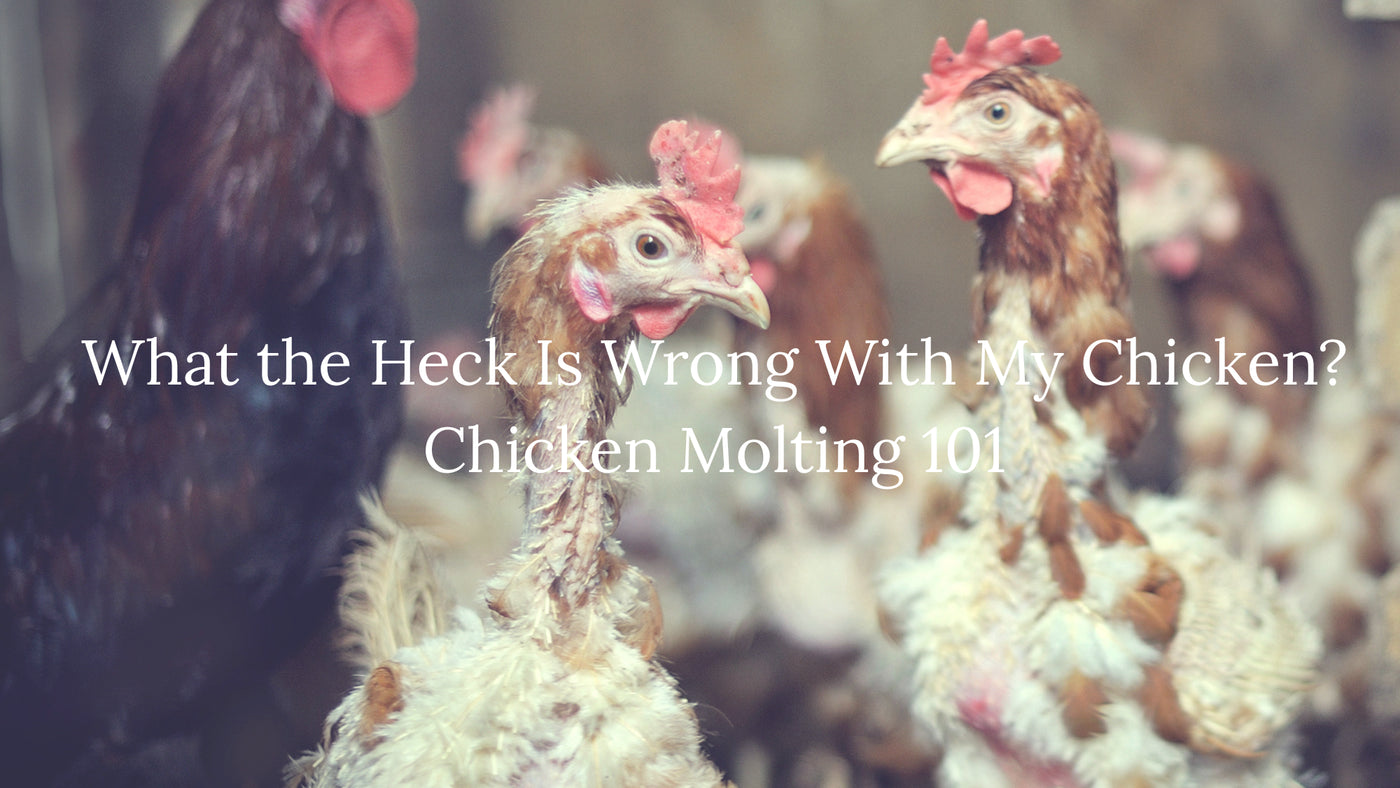
You might notice feathers around the coop, missing feathers on the neck or back, scruffy-looking wings, or little new feathers poking through the skin. Those new feathers are called pin feathers, and they eventually unfurl into the feathers that help your hens look like themselves again.
Why Aren't My Chickens Laying Eggs?
One of the first things backyard chicken keepers notice during molting is a drop in egg production.
Growing new feathers takes energy and nutrients, and egg production may slow significantly or stop temporarily while a hen molts. Not every hen follows the same schedule, so you may still get a few eggs from some of your flock while others take a break.
It's frustrating when you've gotten used to collecting eggs every morning, but a seasonal slowdown isn't automatically a sign that something is wrong.
Of course, molting isn't the only reason egg production can drop. Changes in daylight, stress, age, nutrition, and health can also affect laying. If the drop is sudden or comes with other concerning symptoms, don't automatically assume it's just a molt.

How Long Does Molting Last?
There's no exact timeline for every chicken.
A noticeable molt may last several weeks to a few months, depending on the bird and how quickly the feathers are replaced. Some hens seem to get through it fairly quickly, while others take their sweet time.
You'll probably notice the most obvious feather loss first, followed by new feathers coming in. Eventually, your scruffy chicken starts looking like a chicken again.
The important thing is to pay attention to the whole bird—not just how many feathers are missing.
A chicken that is eating, drinking, moving around, and behaving normally may simply be going through a molt. A chicken that is lethargic, losing weight, or showing signs of injury needs closer attention.
What Should You Feed Chickens During Molting?
The best place to start is with a complete, balanced poultry feed appropriate for your flock.
Feathers are largely made of protein, so growing new ones requires adequate protein and other nutrients. During a molt, make sure your hens have consistent access to their regular feed and fresh, clean water.
You may see people recommending all kinds of special treats and supplements during molting. Some treats can be offered in moderation, but they shouldn't replace a balanced diet. Too many extras can dilute the nutrition your chickens get from their complete feed.
I know it's tempting to want to fix everything with a special snack, but sometimes the best thing you can do is keep their routine steady and let nature do its thing.
Should You Handle Chickens While They're Molting?
Be gentle.
Those new pin feathers can be sensitive, especially when they're still developing. If your chicken is covered in new feathers, she may not appreciate being picked up and cuddled as much as usual.
Give your flock a little extra space and avoid unnecessary handling during a heavy molt. Keep the coop clean, make sure they have room to move comfortably, and watch for pecking or injuries.
Molting can make some birds look vulnerable, and flock dynamics can change. If you notice one chicken repeatedly attacking another, you'll need to address that rather than assuming the behavior will resolve on its own.
When Is Feather Loss NOT Normal?
This is the part worth remembering: not every missing feather means molting.
Feather loss can also be associated with parasites, feather pecking, injuries, nutritional problems, or other health issues.
Pay attention if you notice:
-
Open wounds, bleeding, or raw skin
-
Persistent scratching or signs of mites or lice
-
Severe redness, swelling, or damaged skin
-
A chicken that isn't eating or drinking normally
-
Marked lethargy, weakness, or weight loss
-
Feather loss that doesn't fit a typical molt or continues alongside other symptoms
If a bird seems sick or injured, separate it safely if needed to prevent further harm and contact a poultry-experienced veterinarian for guidance.
It's always better to investigate a genuine health concern than to chalk everything up to molting.
The Bottom Line on Chicken Molting
Molting isn't the prettiest season in the chicken coop, and it may mean fewer eggs for a while. But it is a normal part of a chicken's life.
Keep their feed balanced, provide fresh water and a clean, safe environment, and give them some patience while those new feathers come in.
And if your hens currently look like they've been assembled from leftover chicken parts, you're not alone.
Sometimes backyard chicken keeping is fresh eggs in a basket. Sometimes it's feathers everywhere and wondering if you should be concerned.
The trick is learning the difference—and now you've got a better idea of what to look for.
With Love, Jayme