What Homesteading Looks Like to Me: Finding Self-Sufficiency in Everyday Life
What Homesteading Looks Like to Me: Finding Self-Sufficiency in Everyday Life
When people hear the word homesteading, they might picture acres of land, a farmhouse, a barn full of animals, and a pantry lined with enough home-canned food to survive the apocalypse.
And while that sounds lovely, it isn't exactly my everyday life.
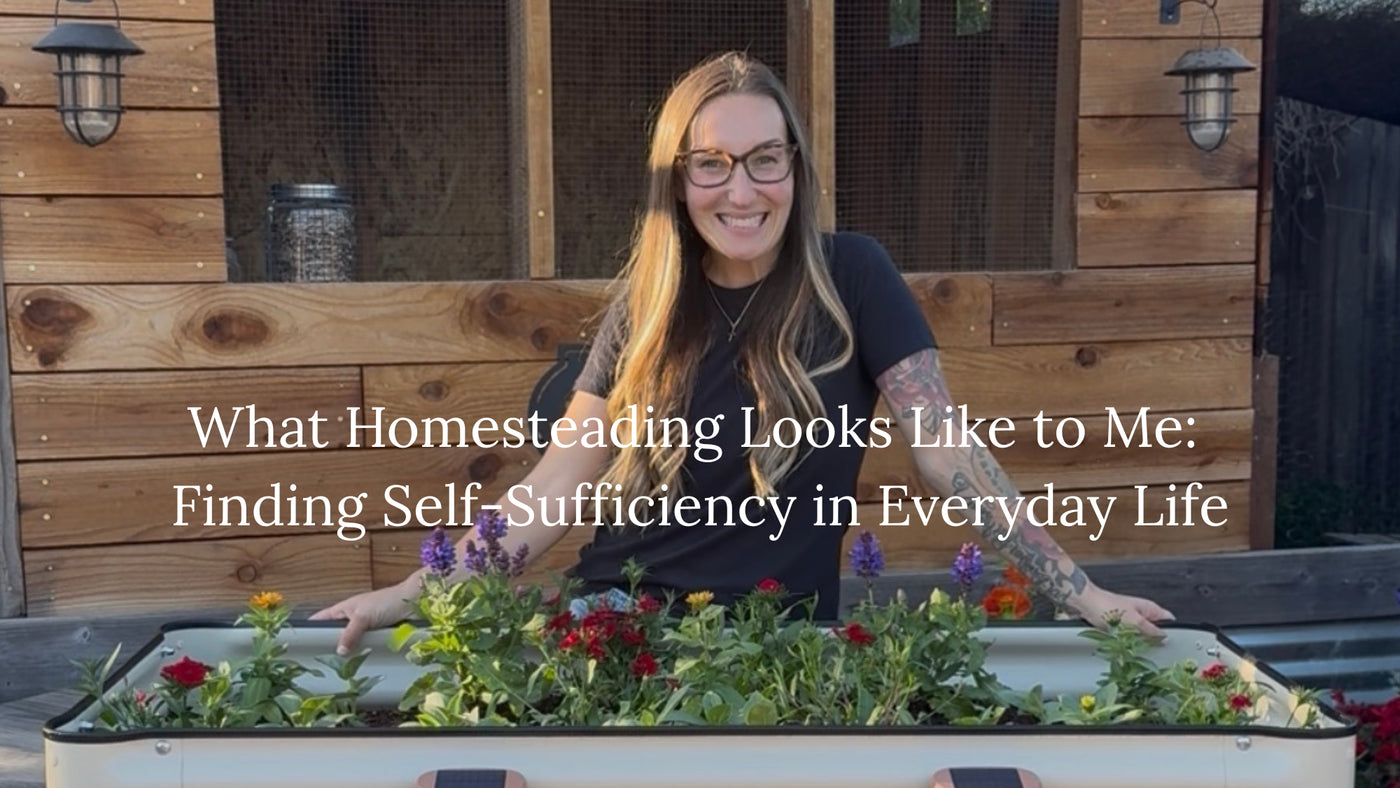
I live in the suburbs. I grow food in raised garden beds, keep backyard chickens, bake from scratch, make things at home, and try to be more intentional about what comes into our house. I also have a grocery store nearby, a busy family, and absolutely no desire to pretend I do everything the hard way.
For me, homesteading isn't about checking off a list of things you must grow, raise, make, or preserve to earn the title. It's simply a way of living that has become second nature to me over the years.
It's making what I can, learning how things work, and finding satisfaction in being able to do more for myself and my family. It's also knowing my limits, because as much as I'd love to do everything myself, I can't. And honestly, I don't think I need to.
I've Always Been a Maker at Heart
Some people have hobbies they pick up when they have a little extra time. For me, making things has always been a part of how I live.
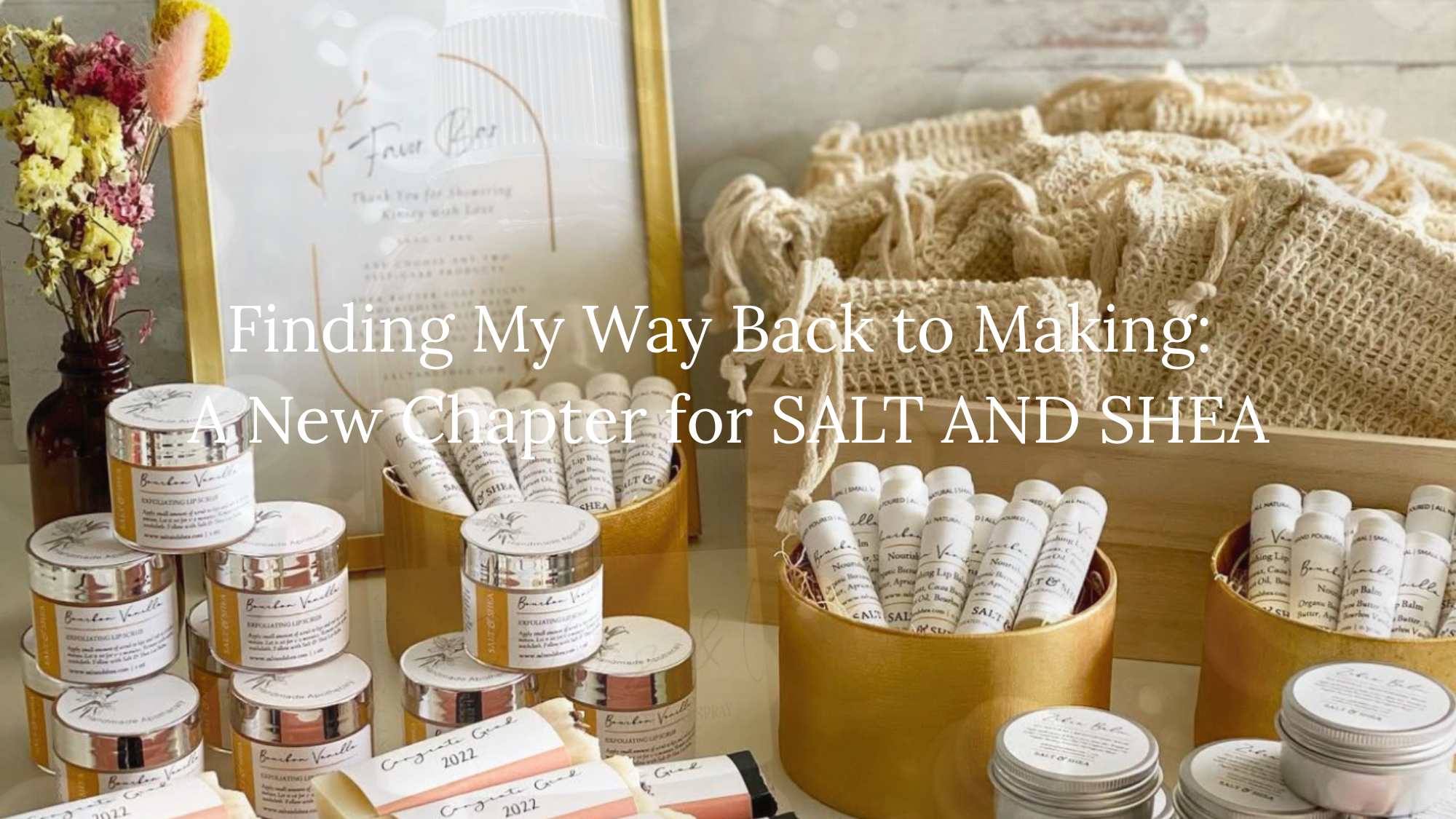
I've spent years making handmade products, experimenting with ingredients, and figuring out how to turn raw materials into something useful. Making things by hand isn't just a business for me. It's something I genuinely enjoy.
That same mindset carries into my kitchen. I love baking from scratch, working with sourdough, and making things at home that other people might automatically reach for at the store. I enjoy growing food, learning how to preserve it, and finding ways to use what I already have.
There's something satisfying about knowing how something came together because you were the one who made it. You understand what's in it, what went into it, and the time and effort it took to get there.
That doesn't mean everything has to be homemade. It just means I appreciate having the skills to make things when I can.
Over time, I've realized that these interests aren't separate parts of my life. Making skincare, baking bread, growing vegetables, and caring for chickens all come from the same place: a desire to be hands-on with the things that matter to me.

Knowing Where Your Stuff Comes From
One of the things I value most about making things myself is having a better understanding of what goes into them.
When I make something from scratch, I get to choose the ingredients. When I grow food, I get to watch the process from seed to harvest. When I make a product for my home or family, I can take the time to understand what I'm using and why.
I'm not interested in doing things a certain way just because someone on the internet says it's the right way. I want to understand what I'm bringing into my home and make decisions that feel right for my family.
Sometimes that means making something myself. Sometimes it means choosing a product from a company I trust. And sometimes it means realizing that the store-bought option is perfectly fine.
I don't believe living intentionally requires you to make everything from scratch or replace every product in your house overnight. That approach can quickly turn something enjoyable into another long list of things you're supposedly doing wrong.
For me, it's about paying attention. Learning a little more about the things we use, where our food comes from, and how the products we buy are made. The more I learn, the more confident I feel about making choices that work for us.
A Suburban Homestead Is Still a Homestead
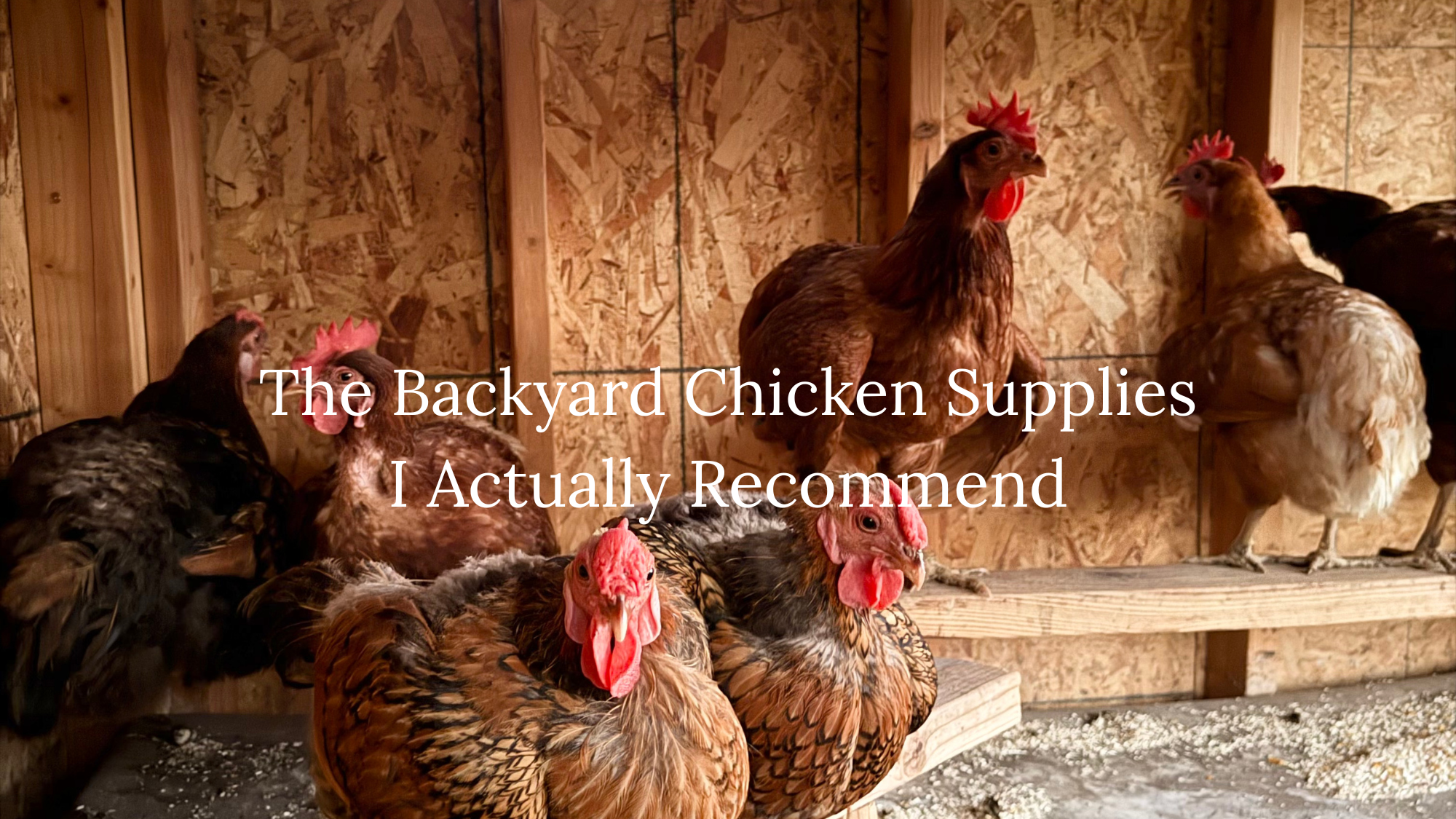
I don't have acres of land or endless space. My garden lives in a suburban backyard, and my chickens live alongside the everyday realities of family life.
But I can still grow food. I can still collect fresh eggs, bake bread, preserve a harvest, and learn practical skills that make me a little more self-sufficient.
That's what I love about the idea of a suburban homestead. You don't have to wait until you own a farm or move somewhere with more land to start living this way.
You can grow herbs in pots on a patio. You can plant a few tomatoes in a raised bed. You can learn to bake a loaf of bread, freeze extra produce for later, or find out what it takes to care for backyard chickens where you live.
Start with what you have.
And you will probably learn a few things along the way. Some plants will thrive, and others will make you question whether you have any business gardening at all. You'll have days when your homemade projects turn out exactly as you hoped and days when you wonder why you didn't just buy the thing.
That's part of it, too.
Homesteading doesn't have to look a certain way to be worthwhile. It's less about the size of your property and more about the skills you're learning, the resources you're using, and the life you're building.

Self-Sufficiency Doesn't Mean Doing Everything Yourself
I think there's a difference between wanting to be more self-sufficient and believing you have to do everything yourself.
I enjoy learning how to make and grow things, but I also know that my time is limited. I have a family to care for, a home to manage, and plenty of other things competing for my attention.
I can't grow all our food, make every product we use, preserve every harvest, cook every meal from scratch, and somehow do it all without ever needing a little help.
And I don't want to.
To me, self-sufficiency is about building skills and having options. It's knowing how to do something when you need to, using what you have wisely, and becoming less dependent on convenience when it makes sense for you.
It might mean growing enough lettuce to make a few salads each week. It might mean learning to preserve tomatoes when your garden produces more than you can eat. It might mean making a household staple yourself because you enjoy the process or prefer knowing exactly what's in it.
It can also mean recognizing when buying something makes more sense than spending your limited time and money trying to make it.
I still go to the grocery store. I still buy things online. I still appreciate conveniences that make everyday life easier.
I'm not trying to eliminate modern life. I'm trying to be more intentional about how I live in it.
Small Steps Toward a More Self-Sufficient Life
If there's one thing I'd want someone to take away from all of this, it's that you don't have to change your entire lifestyle to begin.
You don't need a farm, a greenhouse, a pantry full of preserved food, or a collection of expensive equipment. You don't even need to be particularly good at any of it when you start.
Pick one thing that interests you and learn how to do it.
Grow a few herbs. Try making bread. Plant something you can eat. Learn how to preserve a seasonal fruit or vegetable. Make a simple household product. If you're interested in raising chickens, research the care they require and the rules in your area before bringing any home.
Choose something that fits your space, your budget, and the time you actually have.
Once you've learned one skill, you might find yourself wanting to learn another. Little by little, those skills begin to add up. You become more comfortable making things, growing food, using what you have, and figuring things out as you go.
And if one of those things isn't for you? That's fine, too. You can appreciate a skill without needing to master it yourself.

A Little More Homemade, a Little More Intentional
This is the kind of life I want to keep building: one where I make things because I enjoy making them, grow food because I love knowing where it came from, and learn practical skills that make everyday life a little more rewarding.
I don't have it all figured out, and I don't think I need to.
Some days, self-sufficiency looks like harvesting vegetables from the backyard. Other days, it looks like baking something from scratch, caring for the chickens, or finding a better way to use what we already have. And sometimes it looks like admitting the garden didn't cooperate, and dinner is coming from the grocery store.
All of it belongs.
That's what I want this little corner of the internet to be about. The things we make, the things we grow, the recipes we share, the products we bring into our homes, and the small ways we learn to do a little more for ourselves.
You don't have to do everything. You just have to start somewhere.
And maybe that first step toward a more self-sufficient life isn't moving to a farm or changing everything about the way you live. Maybe it's simply learning to make one thing yourself, planting one seed, or paying a little more attention to what you bring into your home.
Start there. See where it takes you.
Because sometimes, the best kind of homesteading isn't about building a completely different life. It's about learning to appreciate and take a little more part in the life you already have.
With Love, Jayme