LUMEBOX Red Light Therapy: The Device I Reach for Almost Every Day
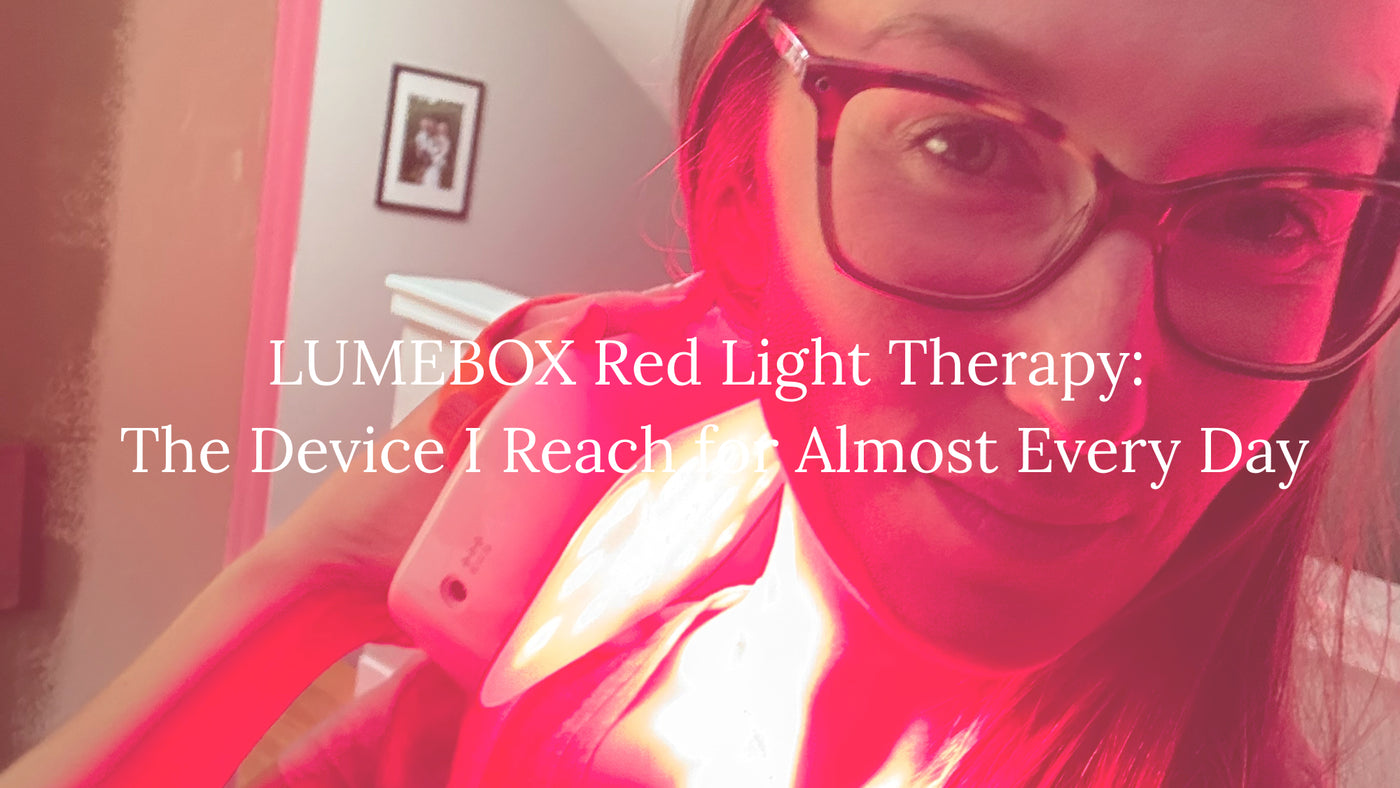
LUMEBOX Red Light Therapy: The Device I Reach for Almost Every Day
Shop LUMEBOX and SAVE 40% OFF WITH MY EXCLUSIVE LINK
Affiliate disclosure: This post may contain affiliate links, which means I may earn a commission if you purchase through my link, at no additional cost to you. I only share products I genuinely use and love.
I’m always interested in finding ways to take better care of myself, especially when it comes to pain. But I’m also a mom, and if you know, you know: taking care of yourself often ends up somewhere between making dinner, answering a million questions, and trying to remember why you walked into a room.
When you live with chronic pain, finding little things that make everyday life more manageable can feel like a big deal.
For me, one of those things has been red light therapy.
I’ve been using my LUMEBOX red light therapy device almost daily since last March, and I genuinely love it. It has become a regular part of my routine—not because I expect one device to fix every problem, but because I enjoy using it and have found it helpful enough to keep reaching for it.
I want to share how I use it, why I originally became interested in red light therapy, and what you should know if you’re considering a device of your own.

Why I Started Using Red Light Therapy
I have a bulging disc that causes nerve pain, particularly through my lower back and buttock area. I also deal with pelvic issues and discomfort in other areas, including my neck and knees.
And then there’s PMS, because apparently being a woman means your body occasionally decides to add a few bonus challenges to the calendar.
When you're dealing with ongoing discomfort, you start looking for ways to support your body and make daily life a little more manageable. I’m interested in natural wellness tools, but I’m also not someone who believes every natural product is automatically effective just because the marketing says so.
I want to understand what I’m using, how it fits into my routine, and whether it’s something I personally want to keep using.
That’s what led me to red light therapy.
My Experience With LUMEBOX
I’ve been using LUMEBOX almost daily since last March, and it's become a regular part of my wellness routine.
I use it on my lower back and buttock area, where I experience nerve pain from my bulging disc. I also use it around areas where I experience discomfort, including my neck and knees, and I incorporate it into my routine when I’m dealing with pelvic discomfort or PMS-related issues.
One of the things I've noticed personally is that I feel more relaxed and less tight or sore in the area after using it. When I'm having a really bad flare-up, my LUMEBOX is something I reach for before I grab my heating pad or ice pack. It's become one of the first things I use when my back and surrounding areas are really bothering me.
Living with chronic pain means figuring out what helps you feel more comfortable, and for me, LUMEBOX has become one of those tools. And honestly, the fact that I have continued using it almost daily says a lot about how I feel about the product.

What Is Red Light Therapy?
Red light therapy uses specific wavelengths of light that interact with the skin and underlying tissue. Depending on the device, it may use visible red light, near-infrared light, or a combination of both.
LUMEBOX 2.0 uses two wavelengths:
-
660 nm red light: Visible red light commonly used in light-based skincare and wellness devices.
-
850 nm near-infrared light: Light that is not visible to the naked eye and penetrates farther into tissue than red light.
Researchers are studying red and near-infrared light for several potential applications, including certain skin concerns and some types of muscle or joint discomfort. However, results vary depending on the condition, device, treatment protocol, and individual. Research is still developing, and a device should not be treated as a cure-all.
That distinction matters to me. I’m happy to share something I enjoy using, but I don’t want to promise someone a medical outcome that I can't guarantee.
Why I Like Having LUMEBOX at Home
One of the biggest reasons I continue to use LUMEBOX is that I can incorporate it into my routine at home. I don't need to turn it into an elaborate self-care ritual or schedule an appointment somewhere. I can use it when it fits into my day. The best part.... it only takes 6 minutes.
And because I'm a mom, the kids have become interested in the device, too. When they get hurt, I've let them use it as well.
That said, children aren't simply little adults when it comes to safety. Before using a red light device on a child, check the manufacturer's age guidance and instructions, use the appropriate eye protection, and consult their pediatrician if you're unsure whether it's suitable. I would never use it as a substitute for proper care for an injury.
For me, the appeal is having a device that fits into real life—not adding another complicated routine to an already busy day.
Can Red Light Therapy Help With Skin and Aging?
The pain and wellness side of red light therapy is what initially interested me, but skincare is another reason people look into these devices.
Some studies suggest that red light therapy may help improve certain visible signs of skin aging, including fine lines and skin texture. Results are not guaranteed, and the effectiveness of at-home devices can vary.
If you're considering red light therapy for skincare, I would look beyond before-and-after photos and marketing promises. Check the device specifications, follow the recommended treatment instructions, and remember that more exposure isn't necessarily better.
If you have a skin condition, a history of unusual reactions to light, or take medication that increases photosensitivity, talk with a qualified healthcare professional before starting.
I also wouldn't buy a red light device expecting it to replace sunscreen, a sensible skincare routine, or professional dermatological care.
Think of it as a potential addition to your routine—not a magic wand.
What to Know Before Buying a Red Light Therapy Device
If you're researching red light therapy, here are a few things I'd look at before spending your money.
1. Check the wavelengths. Look for clear information about which wavelengths the device uses. LUMEBOX 2.0 lists 660 nm red light and 850 nm near-infrared light.
2. Read the actual instructions: treatment time, distance, positioning, and frequency matter. Follow the manufacturer's guidance rather than assuming longer sessions will deliver better results.
3. Take eye safety seriously. Don't stare directly into the LEDs. Follow the device's instructions about protective eyewear, especially when using near-infrared light, which isn't visible in the same way as red light.
4. Understand what the device can and cannot do. Research into red light therapy is promising in some areas, but evidence isn't equally strong for every condition. Be cautious of claims that it cures chronic pain, fixes spinal problems, balances hormones, or treats every type of inflammation.
5. Consider your own health circumstances. If you're pregnant, have a medical condition, have a history of light sensitivity, or take photosensitizing medication, check with your healthcare professional before using it.
Also, a quick note about regulatory language: a product being FDA-registered is not the same as being FDA-cleared to treat a specific condition. It's worth understanding that distinction when comparing devices.
Is LUMEBOX Worth Considering?
For me, yes. I've been using it almost daily since last March, and I genuinely enjoy having it as part of my routine.
I started exploring red light therapy because I was looking for additional ways to care for myself while living with chronic pain. Today, I use my LUMEBOX regularly for different areas of discomfort, and it's a product I feel comfortable sharing because it has become part of my actual life.
But I also believe in being realistic. My experience doesn't guarantee yours will be the same, and red light therapy isn't a replacement for medical evaluation or treatment. If you're dealing with persistent nerve pain, pelvic pain, or unexplained symptoms, it's important to discuss those concerns with a healthcare professional.
If you'd like to learn more about the device I've been using, you can check out LUMEBOX here:
Shop LUMEBOX and save 40% off through my Affiliate Link
You can also read the manufacturer's information about the LUMEBOX 2.0 and its frequently asked questions before deciding whether it's right for you.
I'm a big believer in sharing the things that genuinely earn their place in my home. LUMEBOX has done that for me, and I'm happy to share my experience—without pretending one device is going to solve every problem life throws our way.
With Love, Jayme